You have packed the car, sorted the playlist, and wedged the cool box behind the passenger seat. Unfortunately, just like many other people, you have probably not paid attention to those rounded rubber patches that will carry you across the motorway.
Long road trips are always hard on your car’s tyres in Romford. You keep moving at high speeds for hours instead of minutes. You load your vehicle’s boot with some of the heaviest stuff. Then, as you drive on hot tarmac, the heat penetrates the tyres.
In short, those wheels are going to tolerate a lot of torture. So, it makes sense to check them before setting out.
Why You Should Start with the Tyre Pressure
You may not have enough time to do everything you will read here, but you should definitely check the pressure. It influences tyre grip, braking, fuel consumption, depreciation rate, and its ability to shed heat.
Finding the Correct PSI or BAR
Never guess it or copy the figure from your friend’s vehicle. Every car has its own numbers that you will find in the door jamb, inside the fuel filler flap, or in the owner’s manual. Check the values carefully and choose the higher value for a fully loaded car.
Measure It Cold
You must know that air expands when exposed to heat. Driving flexes the rubber, whereas friction warms the air inside. Sooner rather than later, the pressure climbs by several PSIs. Make sure that you avoid checking the pressure when the tyre is warm. Do it when it is cold, after the car has been standing for two hours, at least.
Why the Numbers of a Packed Car Change
The weight exerted on the tyres in Romford also needs to be checked. If you can spare the time after inspecting tyre pressure, you should look into how much weight you will be lugging.
Holiday Luggage Count Adds Up
Four adults, a boot full of luggage, and a roof box can increase your car’s weight by 300kg or more. This weight presses down on the tyres, squashing the sidewalls and making them flex more with every rotation. Flex generates heat, which, in turn, affects the tyres. That is why vehicle manufacturers print the full-load pressure value. Make sure to use it.
The Load Index
Check the tyre’s sidewall for a code. It is a two-digit value, called the load index, that indicates how much weight the tyres can carry. If you have to fit a replacement wheel, never fit one with a lower load index or speed rating than the original. If necessary, get XL (Extra Load) tyres.
What You Can Learn from the Tread Depth
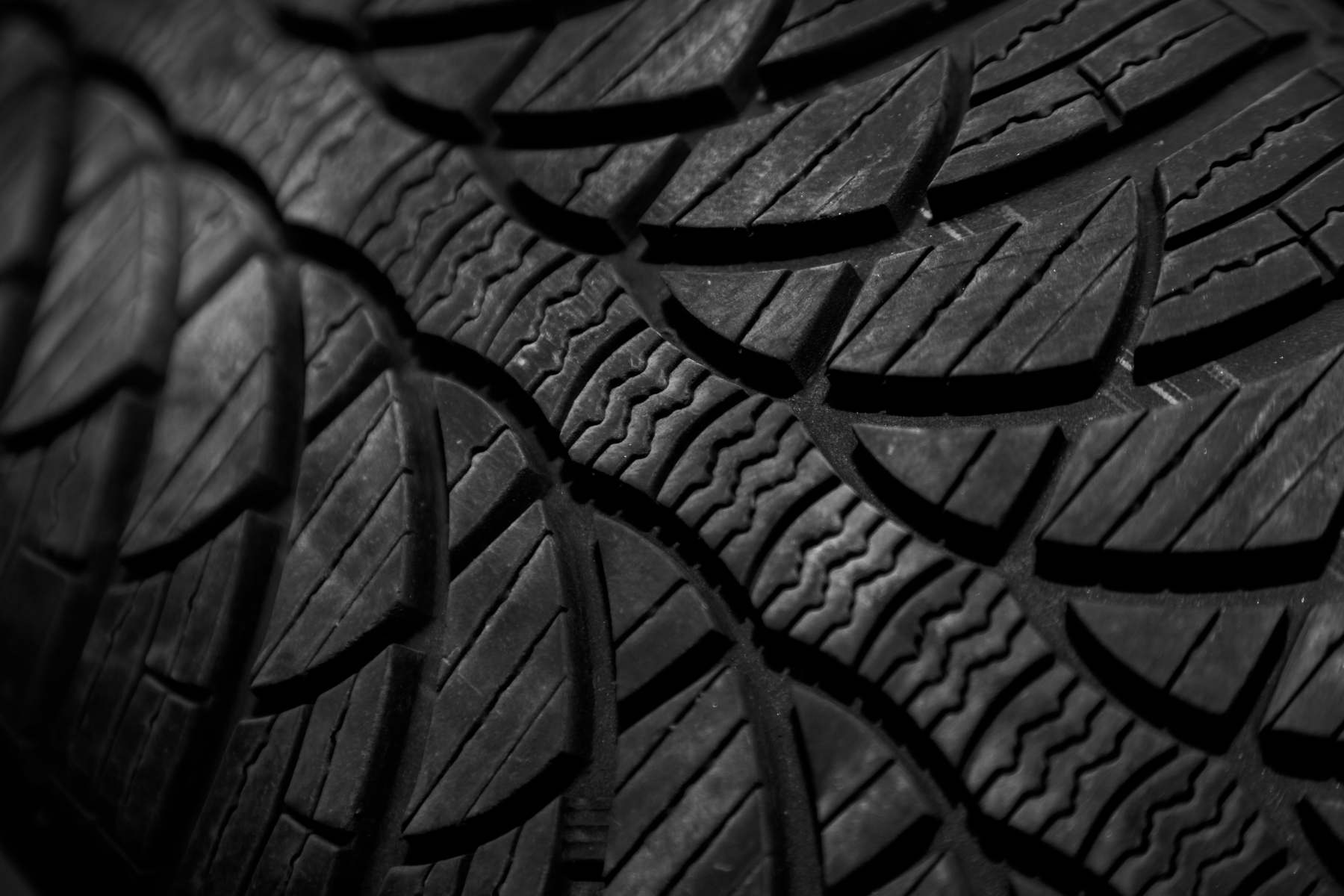
The next aspect is the tread depth. Here is an overview of what you should prioritise.
3mm Over 1.6mm
The legal minimum tread depth of car tyres in the UK is 1.6mm. Since you will be travelling for a long time, go for tyres with a minimum tread depth of 3mm. Just because 1.6mm is the legal value does not mean it is a safe value for extended periods of driving a fully loaded car.
Uneven Tyre Wear
Those who acknowledge the importance of checking the tyres before a road trip often forget about this one. A tyre that looks perfectly legal in the middle might be bald on the inner edge. You will not even be able to see it without turning the wheel to full lock. Uneven tyre wear is not a random phenomenon. It is just your car’s way of telling you that something else is wrong. Do not fit a new tyre without fixing the cause. Otherwise, the new tyre will be chewed up, too.
Whether you need your tyres checked by a professional before a long trip or for a routine inspection, Tyre Warehouse UK will take care of it. We are a family-run business that excels in supplying and fitting tyres in Romford, regardless of the make and model of the car, van, or 4×4. Our highly experienced team of tyre fitters undertakes jobs of all sizes and delivers exceptional results every time.
Give us a call today.