
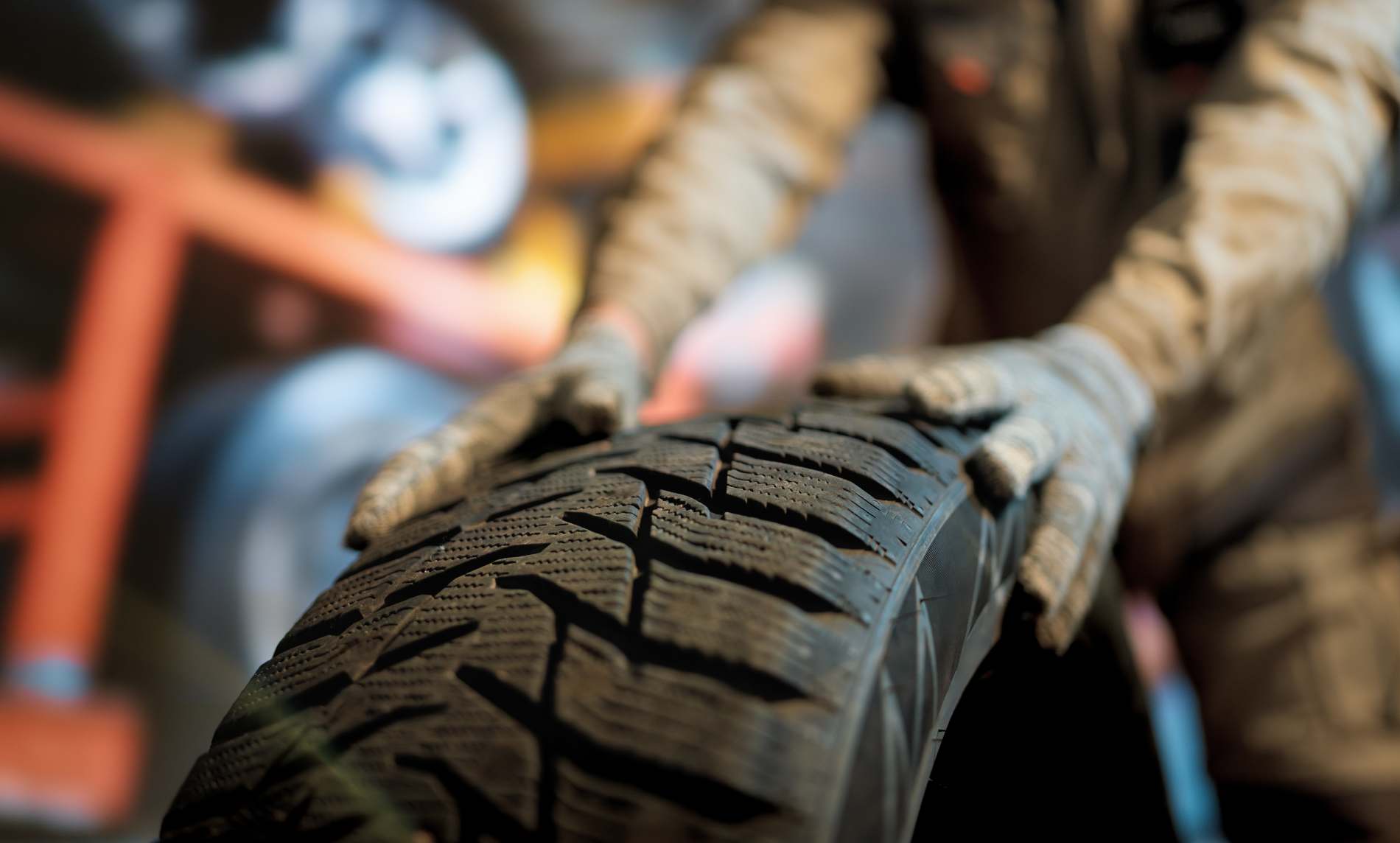
When it comes to road safety, the tyre is one of the few vehicle components that is highly important and should be properly cared for. They are the direct point of contact between the vehicle and the road surface. Hence, the condition of the tyres becomes critical after continuous use across different road conditions. While car owners focus on improving fuel efficiency and caring for the engine, tyres often receive little of the attention they deserve.
For proper tyre maintenance, contact professionals for tyres in London. Damaged, worn-out, and old tyres can increase braking distance and the risk of a collision.
What is the relation between the tyre and braking performance?
Braking distance is the distance a car travels from the moment the brakes are applied until it comes to a complete stop. The braking distance also depends on factors such as speed, changing weather conditions, and road surfaces. However, tyre condition plays the most important role. Tyres rely on tread and grip to maintain traction. Whenever the driver applies the brakes, if the tyres are in good condition, they will grip the road surface effectively, allowing the brakes to perform at their best.
Why is tread depth important?
The tyre’s tread depth is designed to move water away from the tyre while it is on the road. As tyres age and their ability to disperse water decreases, worn tyres struggle on wet roads. This reduces the braking efficiency, making it work smoothly. Driver and car owners should regularly check tyre tread depth and replace tyres before they become worn and lose grip.
What are the common tyre issues that increase braking distance?
Low tyre pressure
If the tyres are underinflated, they create a larger contact area with the road. This generates excessive heat and leads to uneven damage to the tire. This reduces stability and makes braking less effective. Again, driving with an overinflated tire can be a problem. You might lose your grip during emergency braking situations.
Uneven or excessive wear
Tyres that wear unevenly do not maintain consistent contact with the road surface. Hence, if you’re planning to stop your car suddenly, the brakes will not work, and it will be difficult to maintain control. Uneven tyre wear is often caused by poor wheel alignment and improper tyre pressure. Fixing these issues at the earliest is necessary to avoid excessive tyre damage.
Tyre damage with age
Due to continuous driving, the tyre surface develops cuts, bulges, and cracks. This compromises the structural integrity. Older tyres tend to lose flexibility and grip on the road surface. By keeping the tyres in proper condition, the car owners can achieve proper braking distances.
For the best quality tyres and professional tyre fitting services, get in touch with Tyre Warehouse UK. We stock a fantastic range of Premium, Mid Range, and Budget tyres and provide free fitting services to all our customers.